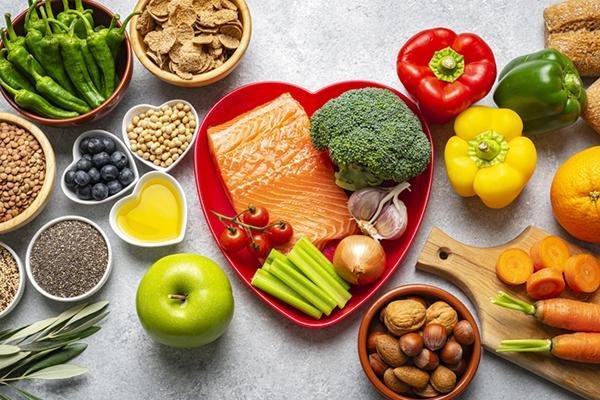
What you eat day in and day out – your dietary pattern – has a major impact on your cardiovascular health. But a lot of people, including many doctors, aren’t clear about the specifics of a heart-healthy eating pattern or how to follow it.
A 2025 scientific statement in the European Journal of Preventive Cardiology summarized the latest evidence on the topic. The basic advice probably sounds familiar: plant-based dietary patterns rich in minimally processed foods, vegetables, and fruits lower heart disease risk, while patterns rich in ultra-processed foods, meat, salt, sugar, and saturated fat increase risk.
Knowing the recommendations and actually following them are two different things, of course. For practical ways to move your diet in the right direction, consider the following four tips. The good news: Most of these suggestions are about adding rather than subtracting foods, and the changes have overlapping, synergistic effects.
1. Eat more fiber
One of the most important dietary changes that people can make for their heart health is to eat more fiber, says Lauren Abeles, a registered dietitian at Harvard-affiliated Brigham and Women’s Faulkner Hospital who counsels people undergoing cardiac rehabilitation. “Fiber helps lower cholesterol, blood pressure, and blood sugar. And because it helps you feel full, fiber can also help with weight loss,” she says. But most Americans fall far short of the recommended daily target of about 38 grams for men and about 25 grams for women. “People think that because they have an apple for a snack and a salad with dinner, they’re getting enough fiber,” she says. But a large apple has 5 grams of fiber, and two cups of salad with lettuce, tomatoes, and cucumbers has only about 2 grams.
One of the best ways to boost your fiber intake is to eat more whole-grain foods, such as 100% whole-wheat bread, oatmeal, brown rice, and quinoa. Legumes – which include beans, peas, and lentils – are also good sources of fiber, as are nuts and seeds.
An easy way to get started is to tweak the foods you’re already eating to add more fiber, says Abeles. For example, if you make white rice, replace a quarter or half of the rice with quinoa. Add a few spoonfuls of ground flaxseeds or chia seeds to your oatmeal. Toss garbanzo beans and pumpkin seeds into your salad. Note that fiber absorbs water in your gut, so when adding fiber to your diet, be sure to drink plenty of water, she says.
2. Prioritize plant-based protein
Here’s where the synergy comes into play. Legumes, nuts, and seeds provide protein as well as fiber. For example, a cup of cooked quinoa provides about 8 grams of protein and 5 grams of fiber. A half-cup of popular bean varieties (such as black, garbanzo, and pinto beans) contains about 6 to 7 grams of protein and about 5 grams of fiber. Foods made from soybeans, such as tofu and tempeh, are also good protein sources. And despite popular belief, most people who follow a generally healthy diet get plenty of protein.
You don’t need to avoid animal-based protein altogether, says Abeles. In fact, recent evidence suggests that cheese and eggs can be part of a heart-friendly eating pattern. Nor do you need to be a vegetarian. But if you include meat in your diet, be mindful of the serving size, which is 3 ounces (about the size of a deck of cards). Chicken and fish contain less saturated fat (see below) than beef, pork, and processed meats.
To add more plant-based protein into your diet, use beans to replace some or all of the meat you use in soups, stews, and casseroles. Try adding cubed firm tofu to vegetable stir-fries or blending silken tofu into smoothies.
3. Face the facts about fats
Saturated fat raises blood cholesterol levels, which is another reason to limit the main sources: red meat, processed meats like bacon and sausage, and full-fat dairy products. Commercially prepared baked goods like muffins and cookies are often made with palm oil or palm kernel oil, which are also high in saturated fat.
Ignore the widespread but misguided concerns about seed oils, which include canola, sunflower, and soybean oil. Seed oils contain mostly unsaturated fats, which are linked to a lower risk of heart attack and death from heart disease when used in place of saturated fat.
The unsaturated fats known as omega-3 fatty acids are especially beneficial for heart health, says Abeles. “Two weekly servings of fatty fish, such as salmon or canned tuna, provide the recommended amount of omega-3s. Another option is to consume two tablespoons of flaxseeds, chia seeds, or walnuts each day,” she says. These nuts and seeds contain plant-based omega-3s.
4. Expand your produce palate
Eating a wide variety of fruits and vegetables provides many heart-related benefits. Not only are these foods full of fiber, they’re naturally low in sodium and often high in potassium, which helps keep blood pressure under control. Fruits and vegetables are also rich in plant-based compounds known as phytochemicals, which have heart-protecting effects such as reducing inflammation and improving blood vessel function.
“When it comes to fruit, many people eat only apples, oranges, and bananas,” says Abeles. Adding berries, melons, pineapple, peaches, kiwi, and other fruits into your diet will give you a broader range of beneficial phytochemicals. The same goes for vegetables, which you can also incorporate into dishes you’re already eating, such as pasta, eggs, and sandwiches. Try to have at least five servings of different fruits and vegetables per day.